
Start with a starter emergency fund.
A small cushion, Ramsey suggests about $1,000, stops a flat tire or broken phone from sending you back to the credit card.
The Total Money Makeover
Dave Ramsey
Best for: People overwhelmed by debt who want a clear, motivating plan.
1 min read · 3 lessons
Follow a set of baby steps to build an emergency fund, kill debt and build wealth.
Dave Ramsey went bankrupt in his twenties and built a career helping people avoid the same fate. His seven baby steps lay out a clear order for fixing your finances.
The plan starts with a small emergency fund, then the debt snowball, then a full emergency fund, investing for retirement, saving for college, paying off the house and building wealth.
Ramsey's strength is behavior change. His simple steps and emotional wins help people who have struggled with debt actually stick to a plan.
A small cushion, Ramsey suggests about $1,000, stops a flat tire or broken phone from sending you back to the credit card.
List debts from smallest to largest and kill the smallest first, because quick wins keep you motivated.
Give every dollar a job before the month begins, so spending becomes a plan rather than a surprise.
Ramsey argues that borrowing is the biggest obstacle to wealth, so the plan only works if you stop adding to it.
Once consumer debt is gone, put a steady share of income, he suggests 15 percent, into retirement accounts.
Ramsey recommends removing the temptation entirely so new debt cannot creep in while you pay off the old.
Paying with physical cash for categories like groceries and eating out makes spending visible and easier to limit.
A short season of serious sacrifice, like extra work and a bare-bones budget, speeds up progress and builds momentum.
People overwhelmed by debt who want a clear, motivating plan.
You want investment-optimized advice or already have no debt.
Financial experts criticize the debt snowball for ignoring interest rates, his blanket rejection of credit cards and some of his investment return assumptions.
| Book | The Total Money Makeover Dave Ramsey The Total Money Makeover | The Psychology of Money Morgan Housel 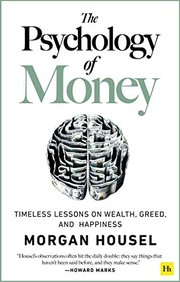 The Psychology of Money | The Little Book of Common Sense Investing John C. Bogle The Little Book of Common Sense Investing |
|---|---|---|---|
| Core thesis | Follow a set of baby steps to build an emergency fund, kill debt and build wealth. | Doing well with money is more about behavior than intelligence. | Low-cost index funds beat most active investors over time. |
| Best for | People overwhelmed by debt who want a clear, motivating plan. | Anyone who wants a healthier relationship with money. | Beginning investors and anyone tired of trying to beat the market. |
| Problems it solves | Money Stress | Money Stress, Investing | Investing, Money Stress |
| Lessons | 3 | 4 | 3 |
| Year | 2003 | 2020 | 2007 |