
Avoid debt.
Collins treats debt as an emergency, because every dollar going to interest is a dollar that cannot compound for you.
The Simple Path to Wealth
JL Collins
Best for: Anyone who wants a calm, simple investing plan they can actually follow.
1 min read · 3 lessons
Spend less than you earn, avoid debt and invest the difference in low-cost broad stock index funds, then leave it alone.
JL Collins wrote a series of letters to his daughter explaining money and investing, which became a popular blog and then this book. His message is that investing does not need to be complicated or expensive.
He explains why debt is dangerous, why the market always recovers over time, and why a simple portfolio of broad index funds beats most complex strategies. He also introduces F-you money: enough savings to give you freedom to walk away from bad situations.
Collins strips investing down to a few decisions most people can make in an afternoon. Its calm tone during market crashes has helped many readers stay invested when it mattered most.
Collins treats debt as an emergency, because every dollar going to interest is a dollar that cannot compound for you.
The gap between what you earn and what you spend is the engine of wealth, and widening it matters more than chasing returns.
Crashes are normal and expected. Staying invested through them is the price of long-term returns.
A single broad stock index fund, held for decades, does most of the work for most people at a very low cost.
Savings give you the freedom to leave a bad job or a bad deal without panic, which Collins sees as the real point of wealth.
Set up automatic monthly investments so the decision is made once and you never have to talk yourself into it again.
Decide now, in writing, that you will not sell when the market drops, because staying invested is how long-term returns are earned.
Your savings rate matters more than your income for reaching freedom, so calculate it and try to raise it a little each year.
Anyone who wants a calm, simple investing plan they can actually follow.
You enjoy picking individual stocks or want an aggressive trading strategy.
The book focuses heavily on one fund family and a US-centric, stock-heavy approach, which some planners say carries more risk than Collins implies for people near retirement.
| Book | The Simple Path to Wealth JL Collins The Simple Path to Wealth | The Psychology of Money Morgan Housel 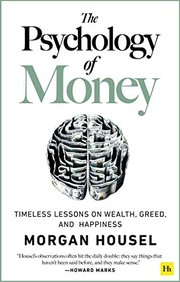 The Psychology of Money | The Little Book of Common Sense Investing John C. Bogle The Little Book of Common Sense Investing |
|---|---|---|---|
| Core thesis | Spend less than you earn, avoid debt and invest the difference in low-cost broad stock index funds, then leave it alone. | Doing well with money is more about behavior than intelligence. | Low-cost index funds beat most active investors over time. |
| Best for | Anyone who wants a calm, simple investing plan they can actually follow. | Anyone who wants a healthier relationship with money. | Beginning investors and anyone tired of trying to beat the market. |
| Problems it solves | Money Stress, Investing | Money Stress, Investing | Investing, Money Stress |
| Lessons | 3 | 4 | 3 |
| Year | 2016 | 2020 | 2007 |