
Income is not wealth.
Wealth is what you keep, not what you earn. The authors found many high earners with little to show for it because they spent nearly everything.
The Millionaire Next Door
Thomas J. Stanley and William D. Danko
Best for: Anyone who thinks wealth means a fancy lifestyle.
1 min read · 3 lessons
Most millionaires live frugally and build wealth quietly.
Thomas Stanley and William Danko surveyed American millionaires and found they often did not fit the stereotype. Many lived in modest homes, drove used cars and spent far less than their income allowed.
They divide people into prodigious accumulators of wealth and under accumulators of wealth. High-income professionals who spend heavily often have less wealth than business owners who live frugally.
The book covers spending habits, how money is passed between generations and the time millionaires spend planning finances.
The Millionaire Next Door overturned assumptions about wealth and remains a classic personal finance book.
Wealth is what you keep, not what you earn. The authors found many high earners with little to show for it because they spent nearly everything.
Most millionaires surveyed were frugal and disciplined. Many of the millionaires they surveyed had never spent more than a modest amount on a watch, suit or car.
Their rule: age times pretax income divided by ten. Compare your net worth to it. It is a rough benchmark, not a judgment, but it shows quickly whether income is turning into wealth.
Wealth builders spend time planning their finances. The wealthy households in their research often spent more time planning investments than shopping.
Big houses and luxury cars can drain wealth. The authors note that impressing neighbors and colleagues can quietly consume what could have been savings.
Economic outpatient care can make adult children less self-sufficient. They argue regular cash gifts can lead adult children to spend more and save less than their peers.
Many high earners have little net worth. Many millionaires live modestly in ordinary neighborhoods.
The authors' rule of thumb: age times pretax income, divided by ten. Above that, you are building wealth. Below it, you are spending it.
The millionaires they studied consistently lived below their means.
Anyone who thinks wealth means a fancy lifestyle.
You want up-to-date data.
The research is from the 1990s, and critics point to survivorship bias in studying only people who became wealthy.
| Book | The Millionaire Next Door Thomas J. Stanley and William D. Danko The Millionaire Next Door | The Psychology of Money Morgan Housel 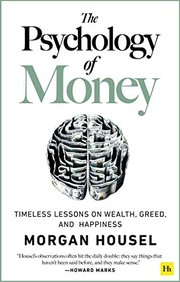 The Psychology of Money | The Little Book of Common Sense Investing John C. Bogle The Little Book of Common Sense Investing |
|---|---|---|---|
| Core thesis | Most millionaires live frugally and build wealth quietly. | Doing well with money is more about behavior than intelligence. | Low-cost index funds beat most active investors over time. |
| Best for | Anyone who thinks wealth means a fancy lifestyle. | Anyone who wants a healthier relationship with money. | Beginning investors and anyone tired of trying to beat the market. |
| Problems it solves | Money Stress, Investing | Money Stress, Investing | Investing, Money Stress |
| Lessons | 3 | 4 | 3 |
| Year | 1996 | 2020 | 2007 |