
Investing is not speculation.
An investment protects principal and offers adequate return after analysis. Speculation is betting on price changes. Investing is buying a share of a business at a sensible price.
The Intelligent Investor
Benjamin Graham
Best for: Serious investors who want timeless principles.
1 min read · 2 lessons
Invest with discipline, patience and a margin of safety.
Benjamin Graham, often called the father of value investing, wrote this classic guide in 1949. Warren Buffett studied under Graham and called it the best book about investing ever written.
Graham distinguishes investing from speculation and introduces Mr. Market, an emotional business partner who offers wildly different prices every day.
He emphasizes analyzing businesses, demanding a margin of safety and controlling your emotions. Later editions include commentary by Jason Zweig.
The Intelligent Investor is considered the bible of value investing and has influenced generations of investors, including Warren Buffett.
An investment protects principal and offers adequate return after analysis. Speculation is betting on price changes. Investing is buying a share of a business at a sensible price.
Market prices swing with emotion. Use them, do not follow them. Graham's advice is to buy when Mr. Market is gloomy and be wary when he is euphoric.
Buy assets well below their estimated value to protect against mistakes. This cushion is what protects you when your estimate turns out to be wrong, which it sometimes will.
Defensive investors keep things simple. Enterprising investors do more research. Graham said a defensive investor can do well with a simple, diversified, low-maintenance approach.
Your temperament matters more than your intelligence. Graham believed the biggest danger to investors is often their own fear and greed.
Short-term prices are noisy. Value shows up over time. Over the short run the market votes on popularity. Over the long run it weighs real value.
Graham imagines the market as a partner who offers wildly different prices daily. Take advantage of his mood swings instead of catching them.
Only buy when the price is well below what you believe the asset is worth, so mistakes do not ruin you.
Serious investors who want timeless principles.
You want a quick, beginner-friendly read.
It is dense and many examples are dated, though Jason Zweig's commentary in recent editions helps.
| Book | The Intelligent Investor Benjamin Graham The Intelligent Investor | The Psychology of Money Morgan Housel 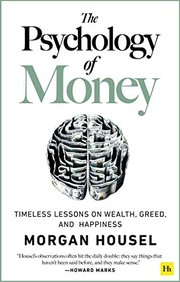 The Psychology of Money | The Little Book of Common Sense Investing John C. Bogle The Little Book of Common Sense Investing |
|---|---|---|---|
| Core thesis | Invest with discipline, patience and a margin of safety. | Doing well with money is more about behavior than intelligence. | Low-cost index funds beat most active investors over time. |
| Best for | Serious investors who want timeless principles. | Anyone who wants a healthier relationship with money. | Beginning investors and anyone tired of trying to beat the market. |
| Problems it solves | Investing | Money Stress, Investing | Investing, Money Stress |
| Lessons | 2 | 4 | 3 |
| Year | 1949 | 2020 | 2007 |