
Your body runs on many clocks.
The brain's master clock coordinates clocks in the liver, gut and muscles. Timing matters as much as content.
The Circadian Code
Satchin Panda
Best for: Shift workers, night owls and anyone curious about timing their day better.
1 min read · 3 lessons
Timing eating, light and sleep to your body clock improves health.
Satchin Panda is a researcher at the Salk Institute who studies circadian rhythms. He explains that nearly every cell and organ runs on a roughly 24-hour clock, and that these clocks are set mainly by light and by when we eat.
When our routines fight our clocks, through late meals, bright screens at night or irregular sleep, health suffers. Panda's research in mice and people suggests that keeping food within a consistent daily window can improve metabolism, sleep and weight even without changing what you eat.
The book offers a plan for aligning eating, light, exercise and sleep with your body clock, with special advice for shift workers and families.
The Circadian Code brought research on timing, not just content, into everyday health advice. It helped popularize time-restricted eating and showed that when we eat, sleep and see light can affect health. It is especially useful for shift workers and anyone with irregular schedules.
The brain's master clock coordinates clocks in the liver, gut and muscles. Timing matters as much as content.
Panda suggests time-restricted eating, keeping meals within about 8 to 12 hours, to give your body a long overnight fast.
Bright light in the morning sets your clock so you feel alert by day and sleepy at night.
Reducing bright and blue light at night helps melatonin rise on time.
Panda notes that exercise can help sleep and metabolism, with many people benefiting from activity in the afternoon or early evening.
Regular timing for sleep, meals and light gives your clocks the signals they need, even if every day is not perfect.
Panda's research on time-restricted eating suggests keeping all food within roughly 8 to 12 hours a day, giving your body a long overnight fast.
Late meals keep your digestive system working when your body is trying to wind down. Finish dinner two to three hours before sleep.
Outdoor daylight, especially in the morning, sets your clock so you feel alert by day and sleepy at night.
Shift workers, night owls and anyone curious about timing their day better.
You want a diet book focused on what to eat.
Much of the research is in animals, and human trials of time-restricted eating show mixed results compared with simple calorie control.
| Book | The Circadian Code Satchin Panda The Circadian Code | Why We Sleep Matthew Walker 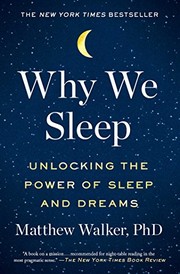 Why We Sleep | Say Good Night to Insomnia Gregg D. Jacobs Say Good Night to Insomnia |
|---|---|---|---|
| Core thesis | Timing eating, light and sleep to your body clock improves health. | Sleep is the single most effective thing you can do for your brain and body. | Insomnia is usually learned, and it can be unlearned without pills. |
| Best for | Shift workers, night owls and anyone curious about timing their day better. | Anyone who treats sleep as optional or struggles to get enough. | People with ongoing trouble falling or staying asleep. |
| Problems it solves | Sleep Problems, Weight & Eating | Sleep Problems, Stress & Anxiety | Sleep Problems, Stress & Anxiety |
| Lessons | 3 | 6 | 3 |
| Year | 2018 | 2017 | 1998 |