
Insomnia is often learned.
Lying awake in bed trains your brain to associate bed with frustration. The good news is that patterns you learn can be unlearned.
Say Good Night to Insomnia
Gregg D. Jacobs
Best for: People with ongoing trouble falling or staying asleep.
1 min read · 3 lessons
Insomnia is usually learned, and it can be unlearned without pills.
Gregg Jacobs developed a drug-free insomnia program at Harvard Medical School based on cognitive behavioral therapy for insomnia, often called CBT-I. It is now the first-line treatment recommended by sleep medicine organizations.
The program teaches you to rebuild the link between bed and sleep, adjust the time you spend in bed to match the sleep you actually get, and change the anxious thoughts that keep insomnia going.
Jacobs also covers relaxation techniques, lifestyle habits and how to taper off sleeping pills with a doctor's help.
This book offers a self-guided version of CBT-I, the treatment sleep doctors recommend before medication. Many readers find it effective because it addresses the habits and thoughts that keep insomnia going. It is practical and step by step, which makes it easier to follow than general sleep tips.
Lying awake in bed trains your brain to associate bed with frustration. The good news is that patterns you learn can be unlearned.
Spend only as much time in bed as you are actually sleeping. This builds sleep pressure and makes sleep deeper. Then slowly add time back.
Do not work, scroll or worry in bed. If you cannot sleep, get up and do something calm until you feel sleepy.
Worry about the consequences of a bad night often causes the next one. Jacobs shows that people usually function better than they fear.
Practices like slow breathing and muscle relaxation calm the body and quiet a racing mind before bed.
Tracking your actual sleep helps you set the right time in bed and see your progress.
Keep a sleep diary. If you sleep six hours but lie in bed for nine, shrink your time in bed. Sleep gets deeper and more solid, then you slowly extend.
No work, scrolling or worrying in bed. You are retraining your brain to treat the bed as a cue for sleep.
Jacobs points out that most people function better than they fear after a short night. Worry about sleep loss is often what keeps insomnia going.
People with ongoing trouble falling or staying asleep.
You only have occasional bad nights.
The book is older and some details are dated. Sleep restriction can be tough to do alone and may be best done with a clinician.
| Book | Say Good Night to Insomnia Gregg D. Jacobs Say Good Night to Insomnia | Why We Sleep Matthew Walker 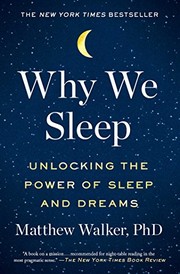 Why We Sleep | The Circadian Code Satchin Panda The Circadian Code |
|---|---|---|---|
| Core thesis | Insomnia is usually learned, and it can be unlearned without pills. | Sleep is the single most effective thing you can do for your brain and body. | Timing eating, light and sleep to your body clock improves health. |
| Best for | People with ongoing trouble falling or staying asleep. | Anyone who treats sleep as optional or struggles to get enough. | Shift workers, night owls and anyone curious about timing their day better. |
| Problems it solves | Sleep Problems, Stress & Anxiety | Sleep Problems, Stress & Anxiety | Sleep Problems, Weight & Eating |
| Lessons | 3 | 6 | 3 |
| Year | 1998 | 2017 | 2018 |