
Assets put money in your pocket.
Kiyosaki's simple test: if it pays you, it is an asset. If it costs you, it is a liability, even if it is labeled an investment.
Rich Dad Poor Dad
Robert T. Kiyosaki

Best for: Beginners who never learned about money and want a mindset shift.
1 min read · 3 lessons
The rich buy assets that pay them, while most people buy liabilities they think are assets.
Kiyosaki contrasts two father figures: his own father, a highly educated government worker who struggled financially, and his best friend's father, an entrepreneur with little formal schooling who became wealthy. Through their lessons, he argues that schools teach people to work for money but not how money works.
The heart of the book is a simple definition. An asset puts money in your pocket. A liability takes money out. Kiyosaki argues that most people, including homeowners, mistake liabilities for assets, and that building wealth means steadily acquiring things that produce cash flow.
Rich Dad Poor Dad's lasting value is its simple reframing of assets and liabilities, which pushes readers to think about cash flow instead of just income. Read it for the mindset, then pair it with a more rigorous book like The Simple Path to Wealth for the how-to.
Kiyosaki's simple test: if it pays you, it is an asset. If it costs you, it is a liability, even if it is labeled an investment.
He argues a home you live in usually costs money each month through mortgage, taxes and upkeep, so it is not building cash flow.
Take jobs that teach skills like sales, communication and management, which pay off for a lifetime.
Learning to read financial statements, understand taxes and spot opportunities gives you an advantage schools rarely teach.
Keep your day job, but build a separate column of assets on the side that grows over time.
Write down what pays you and what costs you each month to see your real asset and liability columns.
Kiyosaki suggests letting your assets pay for the luxuries you want, rather than buying them on credit.
Courses, books and new experiences can increase your earning power for decades.
Beginners who never learned about money and want a mindset shift.
You want a detailed, evidence-based investing plan.
Critics question whether 'rich dad' was a real person, and many financial experts say the book is vague on how to actually invest and encourages risky moves like heavy leverage. Kiyosaki's own business record has also drawn criticism.
| Book | Rich Dad Poor Dad Robert T. Kiyosaki 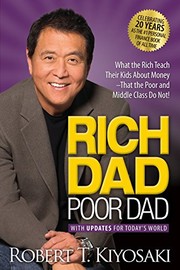 Rich Dad Poor Dad | The Psychology of Money Morgan Housel 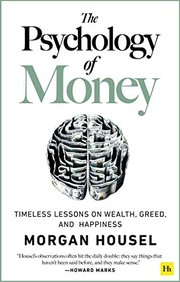 The Psychology of Money | The Little Book of Common Sense Investing John C. Bogle The Little Book of Common Sense Investing |
|---|---|---|---|
| Core thesis | The rich buy assets that pay them, while most people buy liabilities they think are assets. | Doing well with money is more about behavior than intelligence. | Low-cost index funds beat most active investors over time. |
| Best for | Beginners who never learned about money and want a mindset shift. | Anyone who wants a healthier relationship with money. | Beginning investors and anyone tired of trying to beat the market. |
| Problems it solves | Money Stress, Investing | Money Stress, Investing | Investing, Money Stress |
| Lessons | 3 | 4 | 3 |
| Year | 1997 | 2020 | 2007 |