
Automate your money.
Set up automatic transfers to savings, investments and bills. Once it is automatic, saving and investing stop depending on your mood or memory.
I Will Teach You to Be Rich
Ramit Sethi
Best for: People in their twenties and thirties getting their finances in order.
1 min read · 3 lessons
Automate your finances and spend extravagantly on what you love.
Ramit Sethi offers a six-week program for building a simple, automated financial system. He covers credit cards, banking, saving, investing and spending.
His philosophy is that you should spend extravagantly on the things you love and cut costs mercilessly on the things you do not. Rather than guilt about small purchases, focus on big wins like salary negotiation and automation.
The updated edition, released in 2019, includes new chapters and tools.
I Will Teach You to Be Rich is popular with younger readers because it is practical, funny and focused on automation and guilt-free spending.
Set up automatic transfers to savings, investments and bills. Once it is automatic, saving and investing stop depending on your mood or memory.
Pay in full, avoid fees and use cards to build credit. Sethi explains how to raise your credit score, get fees waived and use rewards without carrying debt.
Sethi favors index funds and target-date funds for most people. He argues most people do not need to pick stocks. A simple, low-cost fund is enough to get started.
Decide what matters to you and spend freely there. Sethi calls this a conscious spending plan, and it replaces guilt with clear choices.
Negotiating salary or big bills matters more than cutting lattes. One successful raise or rent negotiation can be worth years of skipped coffees.
Money is a tool to support the life you want. He asks readers to describe what a rich life looks like for them, so their money has a purpose.
Set up automatic transfers to savings and investments right after payday so good behavior happens without willpower.
Sethi suggests rough buckets: fixed costs, investments, savings goals, and guilt-free spending on what you love.
Do not stress over lattes. Negotiate your salary, your rent, and your biggest bills.
People in their twenties and thirties getting their finances in order.
You live outside the US, since many account details are US-specific.
Many specific account and product recommendations apply mainly to the US, and some details date quickly.
| Book | I Will Teach You to Be Rich Ramit Sethi I Will Teach You to Be Rich | The Psychology of Money Morgan Housel 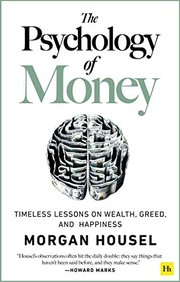 The Psychology of Money | The Little Book of Common Sense Investing John C. Bogle The Little Book of Common Sense Investing |
|---|---|---|---|
| Core thesis | Automate your finances and spend extravagantly on what you love. | Doing well with money is more about behavior than intelligence. | Low-cost index funds beat most active investors over time. |
| Best for | People in their twenties and thirties getting their finances in order. | Anyone who wants a healthier relationship with money. | Beginning investors and anyone tired of trying to beat the market. |
| Problems it solves | Money Stress, Investing | Money Stress, Investing | Investing, Money Stress |
| Lessons | 3 | 4 | 3 |
| Year | 2009 | 2020 | 2007 |