
Experiences pay a memory dividend.
A great trip or shared moment keeps paying you back every time you remember it or retell the story.
Die with Zero
Bill Perkins
Best for: Diligent savers who struggle to spend on what matters.
1 min read · 3 lessons
Use your money to buy the best life experiences at the right time, instead of dying with a big unspent pile.
Bill Perkins, a hedge fund manager, argues that many people save too much for too long and miss out on experiences while they are young and healthy enough to enjoy them.
He suggests planning to use your money during your life, giving to children and causes while you are alive, and matching spending to the time windows when experiences matter most.
Die with Zero is a useful counterweight to the save-everything mindset. It makes readers think about time, health and memories as part of financial planning.
A great trip or shared moment keeps paying you back every time you remember it or retell the story.
Backpacking, skiing or playing with young kids are only possible at certain ages, so waiting can mean missing them entirely.
Money given to children in their 20s or 30s often helps far more than an inheritance they receive in their 60s.
Spending now on fitness, good food and energy can protect the years when you will finally have time to enjoy your savings.
Perkins suggests mapping when you will use your savings, so you do not die with a large pile of unused life energy.
Group the experiences you want by the decade when you will have the health and energy to enjoy them most.
Work out roughly when you should stop growing savings and start spending them down, ideally with a planner.
Memories keep paying a dividend for years, while most possessions fade in value and excitement.
Diligent savers who struggle to spend on what matters.
You struggle to save at all or have high debt.
Planning to spend down your money is risky if you live longer than expected or face big health costs. Critics also note it is written from a high-income perspective.
| Book | Die with Zero Bill Perkins Die with Zero | Your Money or Your Life Vicki Robin and Joe Dominguez Your Money or Your Life | The Psychology of Money Morgan Housel 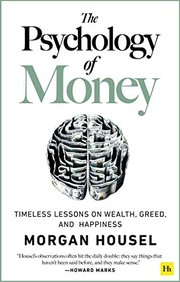 The Psychology of Money |
|---|---|---|---|
| Core thesis | Use your money to buy the best life experiences at the right time, instead of dying with a big unspent pile. | Money is something you trade your life energy for. | Doing well with money is more about behavior than intelligence. |
| Best for | Diligent savers who struggle to spend on what matters. | People who want to align spending with their values and gain financial independence. | Anyone who wants a healthier relationship with money. |
| Problems it solves | Money Stress, Purpose & Meaning | Money Stress, Purpose & Meaning | Money Stress, Investing |
| Lessons | 3 | 2 | 4 |
| Year | 2020 | 1992 | 2020 |