
Your belief about talent changes your behavior.
If you think ability is fixed, you will protect your image by avoiding challenges. If you think it grows, you will take on harder work because that is where growth happens.
Mindset: The New Psychology of Success
Carol S. Dweck

Best for: Parents, coaches, managers and anyone who freezes up when they might fail.
2 min read · 4 lessons
Believing ability can grow changes how hard you try and how you handle failure.
Carol Dweck spent decades studying why some people thrive on challenge while others avoid it. Her answer is that people hold one of two beliefs about ability. In a fixed mindset, intelligence and talent are set at birth, so every test is a verdict on your worth. In a growth mindset, ability is something you build, so a test is just a chance to learn.
The book shows how that one belief ripples outward. It shapes how students respond to bad grades, how athletes handle losses, how CEOs treat bad news and how couples deal with conflict. Fixed-mindset people tend to hide mistakes, avoid hard problems and feel threatened by other people's success. Growth-mindset people seek feedback and keep going after setbacks.
Dweck is clear that nobody is purely one or the other. Everyone has fixed-mindset triggers. The goal is to notice them and choose the growth response more often, especially in how we praise children and give feedback at work.
Few psychology books have changed classrooms and workplaces as much as this one. Schools rewrote how they give feedback, and companies like Microsoft built growth mindset into their culture. Some large follow-up studies found smaller effects than early ones, which Dweck has acknowledged, but the core practice of praising process and treating mistakes as learning holds up as sound, everyday advice.
If you think ability is fixed, you will protect your image by avoiding challenges. If you think it grows, you will take on harder work because that is where growth happens.
Telling a child they are smart teaches them to fear looking dumb. Praising the process, like their focus or the approach they tried, teaches them that effort is the path to getting better.
A growth mindset separates what happened from who you are. The useful question after a setback is what you will do differently, not what it says about you.
Criticism, a tough new task, a deadline or a rival's success can flip you into fixed mode. Learning your personal triggers is the first step to responding differently.
Dweck contrasts leaders who need to be the smartest person in the room with leaders who develop people. Teams led by learners admit mistakes faster and fix them sooner.
Studies in the book show that teaching students that the brain grows with practice improved their motivation and grades. Small shifts in how we talk about ability add up.
In Dweck's studies with Claudia Mueller, kids praised for being smart started picking easier puzzles and did worse later. Kids praised for effort and strategy chose harder ones and kept improving. Do the same with yourself and with anyone you coach.
A fixed mindset reads failure as a verdict on who you are. A growth mindset asks what to change next time. Same event, completely different next move.
Dweck suggests noticing the inner voice that shows up when you face criticism, a hard challenge, or someone else's success, and naming it. Once it has a name you can recognize it and talk back to it instead of obeying it.
Needing to work hard at something is not proof you lack the gift. It is how the gift gets made.
Parents, coaches, managers and anyone who freezes up when they might fail.
You already understand growth mindset and want new research or step-by-step tools.
Large follow-up studies found growth mindset interventions have smaller effects than early research suggested, something Dweck has acknowledged. The book also leans on anecdotes and repeats its main point often.
| Book | Mindset: The New Psychology of Success Carol S. Dweck 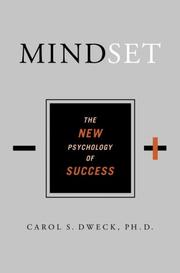 Mindset: The New Psychology of Success | Grit: The Power of Passion and Perseverance Angela Duckworth 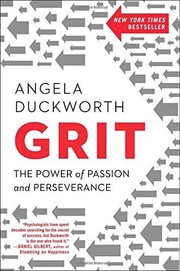 Grit: The Power of Passion and Perseverance | Ego Is the Enemy Ryan Holiday Ego Is the Enemy |
|---|---|---|---|
| Core thesis | Believing ability can grow changes how hard you try and how you handle failure. | Sustained passion and persistence predict success more than raw talent. | Ego, the unhealthy belief in our own importance, gets in the way at every stage: aspiration, success and failure. |
| Best for | Parents, coaches, managers and anyone who freezes up when they might fail. | Students, parents, athletes and anyone tempted to quit too early. | Ambitious people who want to stay grounded. |
| Problems it solves | Low Motivation, Self-Criticism, Career Growth | Low Motivation, Career Growth, Procrastination | Career Growth, Self-Criticism |
| Lessons | 4 | 4 | 3 |
| Year | 2006 | 2016 | 2016 |