
Notice the three Ps.
Ask whether you are treating a setback as permanent, pervasive or personal. Those three habits of explanation are the engine of pessimism.
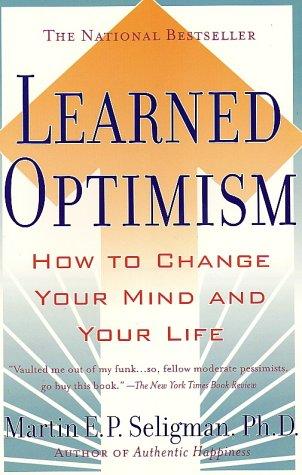
Learned Optimism
Martin E. P. Seligman
Best for: Anyone prone to pessimism, worry or giving up after setbacks.
2 min read · 3 lessons
Optimism is a thinking skill you can learn, not a personality trait.
Martin Seligman began his career studying learned helplessness, the discovery that animals and people who experience uncontrollable bad events often stop trying even when escape becomes possible. Learned Optimism is the hopeful flip side: if helplessness can be learned, optimism can be learned too.
The key is explanatory style, the way you explain events to yourself. Pessimists explain setbacks as permanent, pervasive and personal. Optimists see them as temporary, limited to one area and partly due to circumstances. Seligman shows that explanatory style predicts depression, health, school results and sales performance.
The practical heart of the book is a set of exercises, based on cognitive therapy, for catching pessimistic beliefs and arguing with them.
Seligman went on to found positive psychology, and this book is where many of its practical tools first reached a general audience. The ABCDE method is still taught in resilience programs, including training developed for the US Army. The book is especially useful because it does not ask you to think positively. It asks you to think accurately, which is more believable and more durable.
Ask whether you are treating a setback as permanent, pervasive or personal. Those three habits of explanation are the engine of pessimism.
Write down the Adversity, your Belief about it, and the Consequence you felt. Then Dispute the belief with evidence and notice the Energization when it loosens.
Look for evidence, alternative causes, real implications and usefulness. You would argue with a stranger who said these things about you, so argue with yourself.
When you cannot dispute a thought right away, Seligman suggests distracting yourself and scheduling time to think it through later.
In Seligman's work with MetLife, salespeople with optimistic explanatory styles sold more and quit less.
Pessimism has a place when stakes are high and risks are real. The goal is to choose optimism by default, not to ignore danger.
Pessimists explain bad events as permanent, pervasive and personal. Optimists see them as temporary, specific and not entirely about them. Catch which one you default to.
Note the Adversity, the Belief you formed, and the Consequence you felt. Then Dispute the belief like a lawyer would, and notice the Energy that comes when it loosens.
Ask what the facts actually say, what other explanations fit, and how bad it really is if the belief is true. Treat your own harsh thoughts the way you would treat an unfair accusation from a stranger.
Anyone prone to pessimism, worry or giving up after setbacks.
You are in a serious depressive episode and need professional treatment first.
Some examples and studies feel dated, and the self-tests take time. The exercises work best with repetition, which some readers find tedious.
| Book | Learned Optimism Martin E. P. Seligman  Learned Optimism | The Obstacle Is the Way Ryan Holiday  The Obstacle Is the Way | The Courage to Be Disliked Ichiro Kishimi and Fumitake Koga The Courage to Be Disliked |
|---|---|---|---|
| Core thesis | Optimism is a thinking skill you can learn, not a personality trait. | Every obstacle holds the material for moving forward. | You are free once you stop living for other people's approval. |
| Best for | Anyone prone to pessimism, worry or giving up after setbacks. | People facing a setback who want a practical, Stoic way through it. | People-pleasers and anyone stuck on their past. |
| Problems it solves | Overthinking, Self-Criticism, Stress & Anxiety | Stress & Anxiety, Overthinking, Low Motivation | Overthinking, Relationships, Self-Criticism |
| Lessons | 3 | 3 | 3 |
| Year | 1990 | 2014 | 2013 |